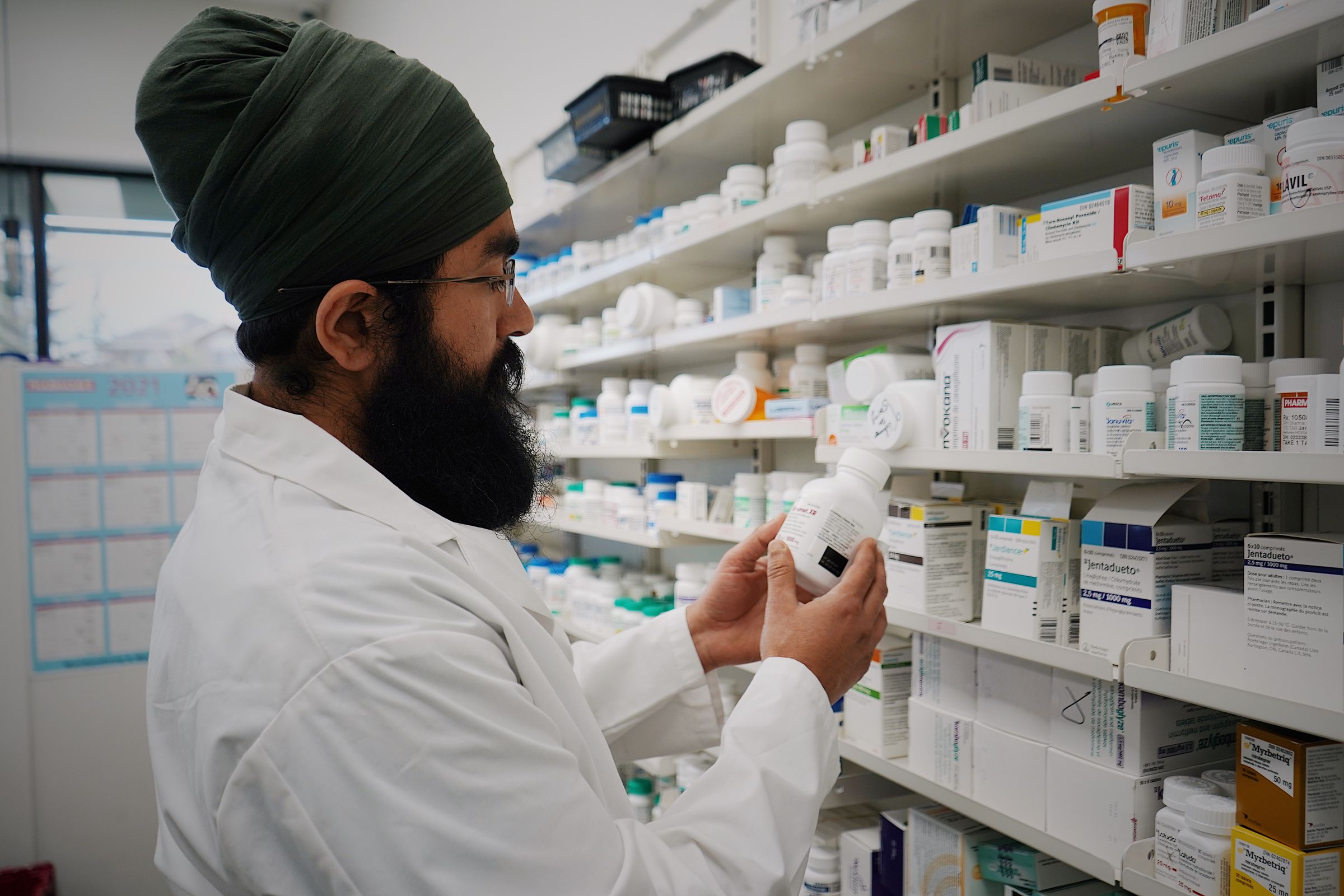
In Ohio, a sore throat or fever could start at the pharmacy instead of a separate office visit. The proposal would let pharmacists screen, test and provide treatment for certain respiratory health conditions, giving patients a quicker path to care for problems that often need a test before anyone decides on treatment.
The bill also reaches the payment side of the visit. It says a health insuring corporation, sickness and accident insurer, or public employee benefit plan may have to pay a pharmacist for the service when the patient’s policy already covers the equivalent care from another provider.
The care at the counter
The measure would let pharmacists conduct screenings, order and administer laboratory and diagnostic tests, and evaluate the results. It would also allow treatment for respiratory conditions that the law already authorizes pharmacists to handle.
The bill names three conditions for patients age 5 and older: influenza, pharyngitis caused by group A Streptococcus, and COVID-19. It also keeps pharmacists working within existing rules that let them manage drug therapy under a consult agreement.
That is an important limit. The proposal does not turn pharmacies into full primary care offices, and it does not open the door to every illness that can look respiratory at first glance. It draws a line around specific conditions and specific services.
When insurance follows the visit
The reimbursement language is what gives the proposal its practical force. If the patient’s plan already covers that type of care, the insurer would have to pay or reimburse the pharmacist in the same way it pays other providers for an equivalent service.
That matters because access is not only about who can perform the test. If the payment rule does not match the service, patients can still run into the same old wall at checkout. The bill tries to remove that mismatch for covered care.
Recorded votes show the bill cleared a floor vote 31-2.
Why the pharmacy lane matters
For people trying to get through a sick day, the pharmacy is often the most reachable health care stop in town. A pharmacist on the front line can shorten the distance between symptoms and answers, especially when the question is whether a routine infection needs treatment and which one.
The broader change is simple: more of the early work happens where many patients already go, and the insurance system is told to treat that work like the same service provided elsewhere when coverage already exists.
Sources
Synthesized from 10 verified citationsSynthesized by AI linked to original documents.