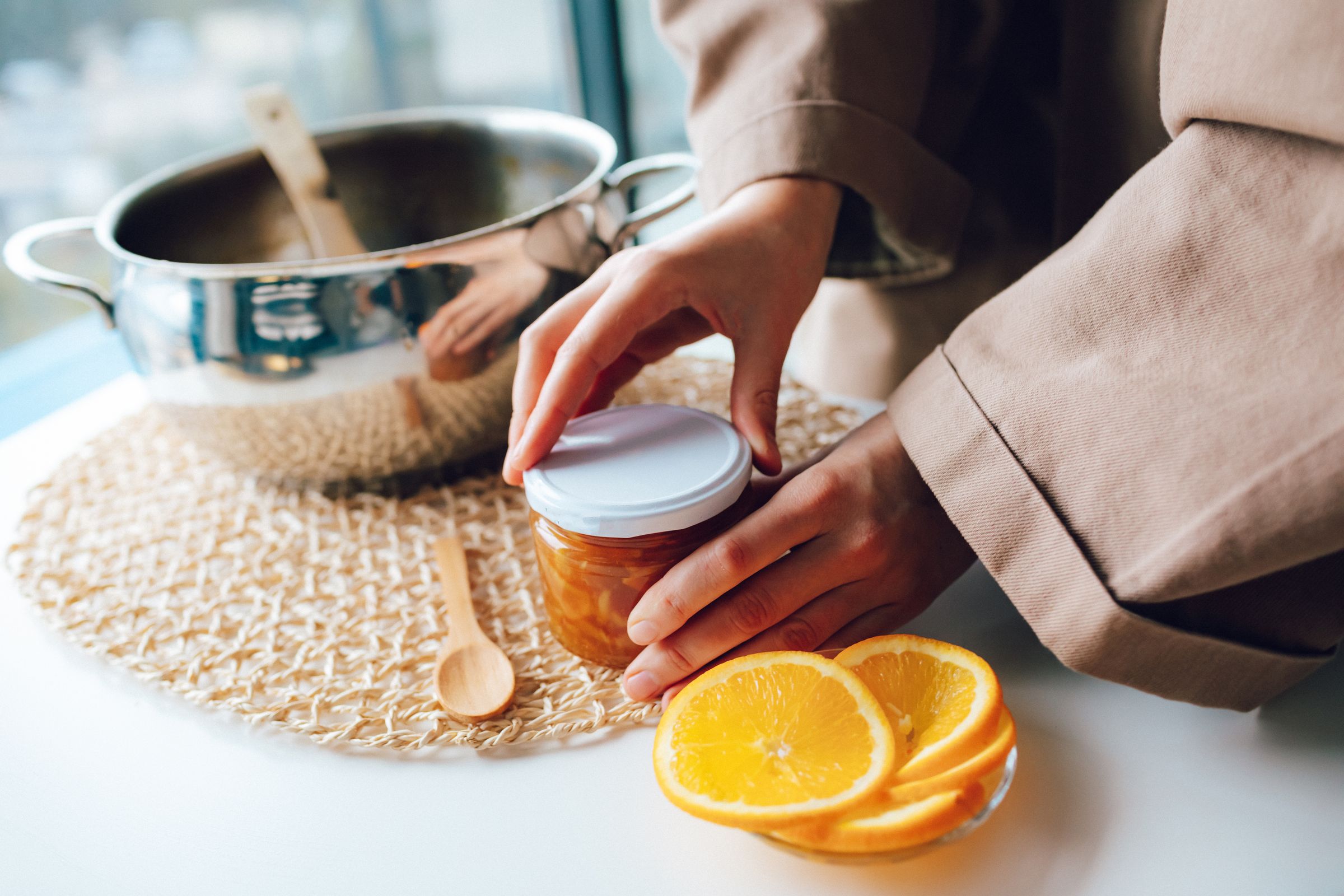
Rhode Island would create a new sales lane for foods made in farm kitchens, letting them reach shoppers at farmers’ markets, farmstands and other markets or stores run by farmers. The state Department of Health would have to permit those sales when the law’s requirements are met.
The change is narrow by design. It is not a blanket pass for homemade food. It applies to farm home food manufacture, and it ties that permission to where the food is made, where it is sold and how the kitchen is built and maintained.
The kitchen has to pass the test
The kitchen would have to sit on farm property and meet the state’s minimum housing standards, along with the housing maintenance and occupancy rules already on the books. It would also need the right equipment for washing and handling utensils safely.
That means either a two-compartment sink or a dishwasher that reaches 150 degrees Fahrenheit after the final rinse and drying cycle, plus a one-compartment sink. The work area also has to keep dirty and clean utensils separated, with equipment, utensils and tableware air-dried.
Food-preparation surfaces would need to be nonabsorbent and corrosion resistant, such as stainless steel or formica. If a bathroom opens directly into the kitchen, it would have to have a self-closing door.
Water stays part of the bargain
Farms that rely on a private water supply would have one more obligation: the water would have to be tested once a year. That gives the proposal a second layer of protection beyond the kitchen rules themselves.
For farm operators, the bill could mean a better shot at turning local food into direct sales. For shoppers, it keeps the transaction closer to the farm while leaving sanitation standards in place behind the counter.
Sources
Synthesized from 11 verified citationsSynthesized by AI linked to original documents.