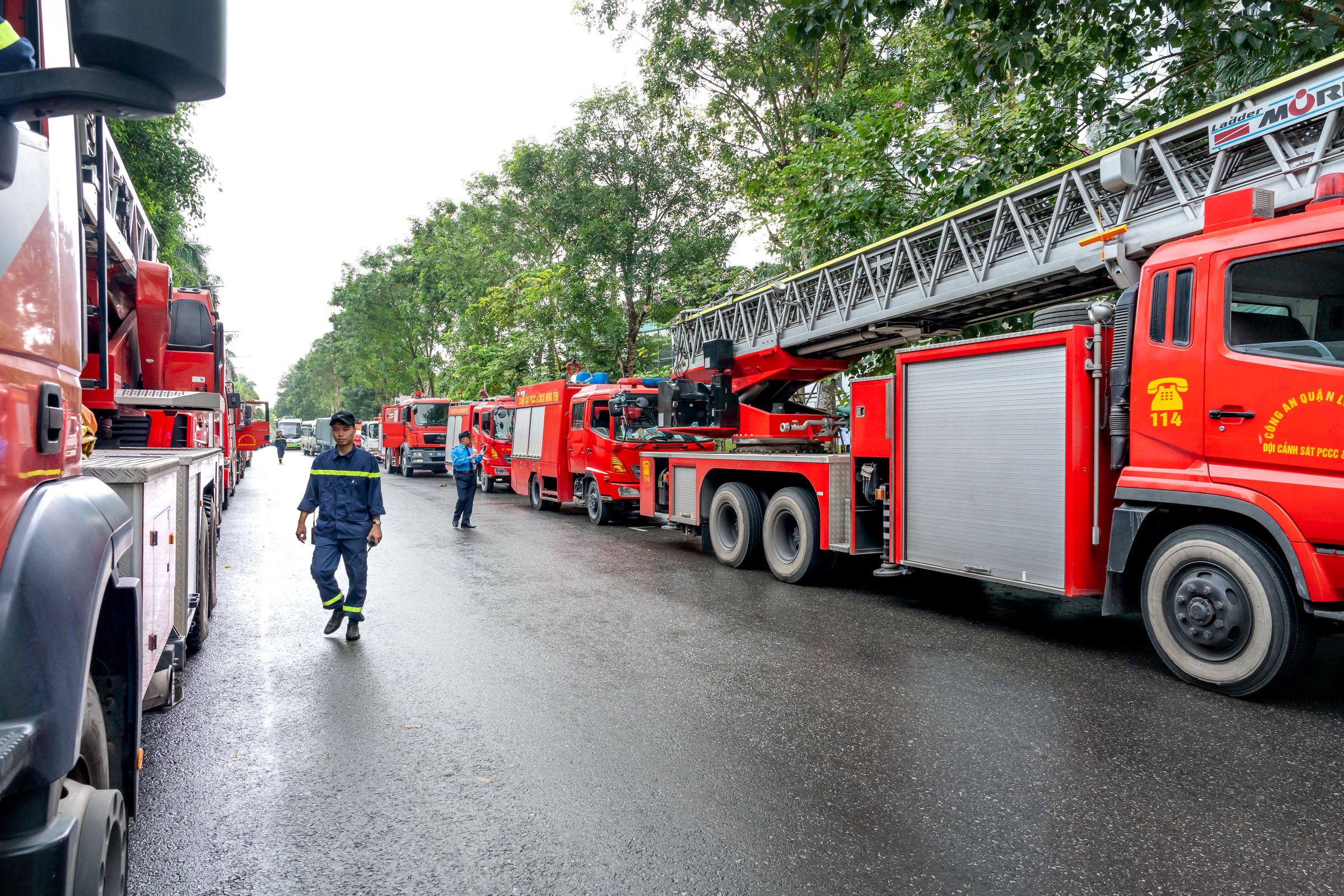
In New Jersey, overtime rules for police, firefighters and other public safety workers are being rewritten inside the state’s wage law. The measure concerns employees in fire protection activities and certain public employees engaged in law enforcement activities, while amending P.L.1966, c.113 and updating the section that defines who counts for overtime purposes.
That matters because overtime is not just a paycheck issue. It shapes how departments schedule long tours of duty, how local governments budget for staffing and how payroll offices track compliance.
Who gets the carveout
The proposal spells out a special overtime standard for state, county, municipal and school-district employers, along with their agencies and related units, when they employ people in fire protection activities or sworn law-enforcement activities, including security personnel in correctional institutions. It also revises the statutory definitions used to decide wages and compliance under the act, so the practical effects would land in payroll, scheduling and overtime administration for public employers.
The fire-protection definition is broad. It covers firefighters, paramedics, emergency medical technicians, rescue workers, ambulance personnel and hazardous materials workers, as long as they are trained in fire suppression, have authority to engage in it and work for a public fire department or similar entity.
The payroll ripple
The measure says those employers do not violate the law if they pay time and a half after workers pass certain hour thresholds in a set work period, or if they grant compensatory time off under federal rules. That gives public employers a clearer lane for long shifts in jobs where the schedule can run past a standard workday.
For workers, the change could affect when overtime kicks in and how a department chooses between cash pay and compensatory time. For managers, it means the rules that sit behind staffing decisions would have to be applied more carefully from the start of the schedule, not after the fact.
Sources
Synthesized from 11 verified citationsSynthesized by AI linked to original documents.