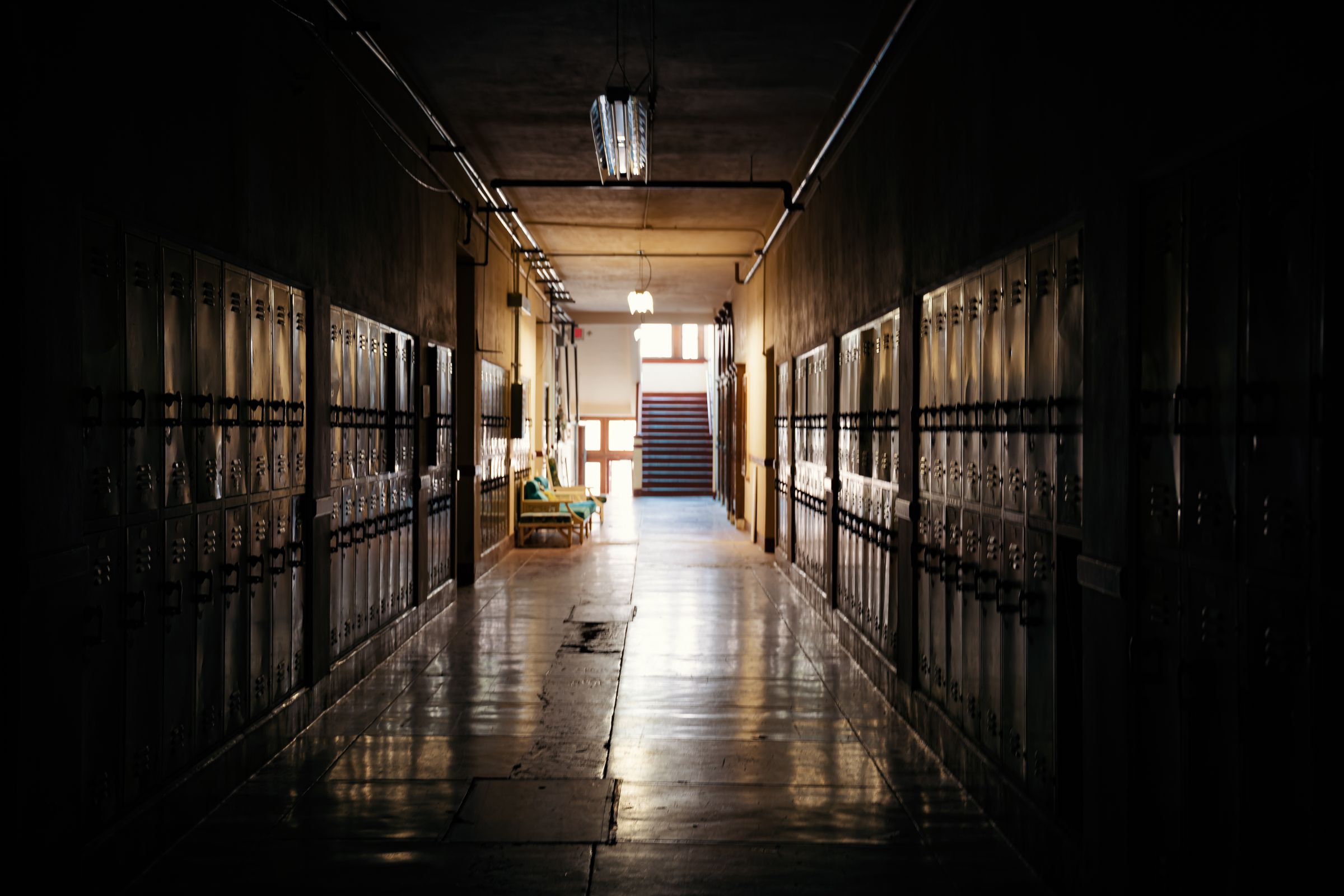
Rhode Island school districts would have to assess each building’s safety within 30 days of passage, then repeat the review every three years. The check would happen with local police, fire officials, the school safety team and any other expert the district thinks is needed.
That turns school safety into a recurring duty, not an occasional audit. It also keeps the focus on the buildings students and staff actually use, rather than on a one-time paper review.
A checklist that reaches beyond the district office
The assessment is supposed to examine the current status of each school building’s safety. School committees would also have to review and adopt a comprehensive safety plan covering crisis intervention, emergency response and management.
The team behind that plan would include representatives of the school committee, students, teachers, parents, school safety staff, administrators and local law enforcement, fire and emergency personnel. In practice, that means the people who would have to work the plan in a real emergency would also help shape it.
The state panel gets a wider lane
The Rhode Island school safety committee would grow from 12 members to 13 and add a representative from the School Resource Officer Association. Its job would include training law enforcement, school administrators and teachers, collecting and reviewing hazard and security assessments, and offering districts recommendations and assistance.
Available key vote records show the bill advanced without recorded no votes. For families, the practical effect is straightforward: schools would have to keep checking for weak spots, and the state would have a stronger hand in what happens after those checks turn up problems.
Sources
Synthesized from 12 verified citationsSynthesized by AI linked to original documents.