congress.amendment
Russian oil shipments face a tighter port sanctions net
The Senate amendment would block imports tied to specific Russian ports, with a narrow 270-day exception only if the President sends Congress a justification.
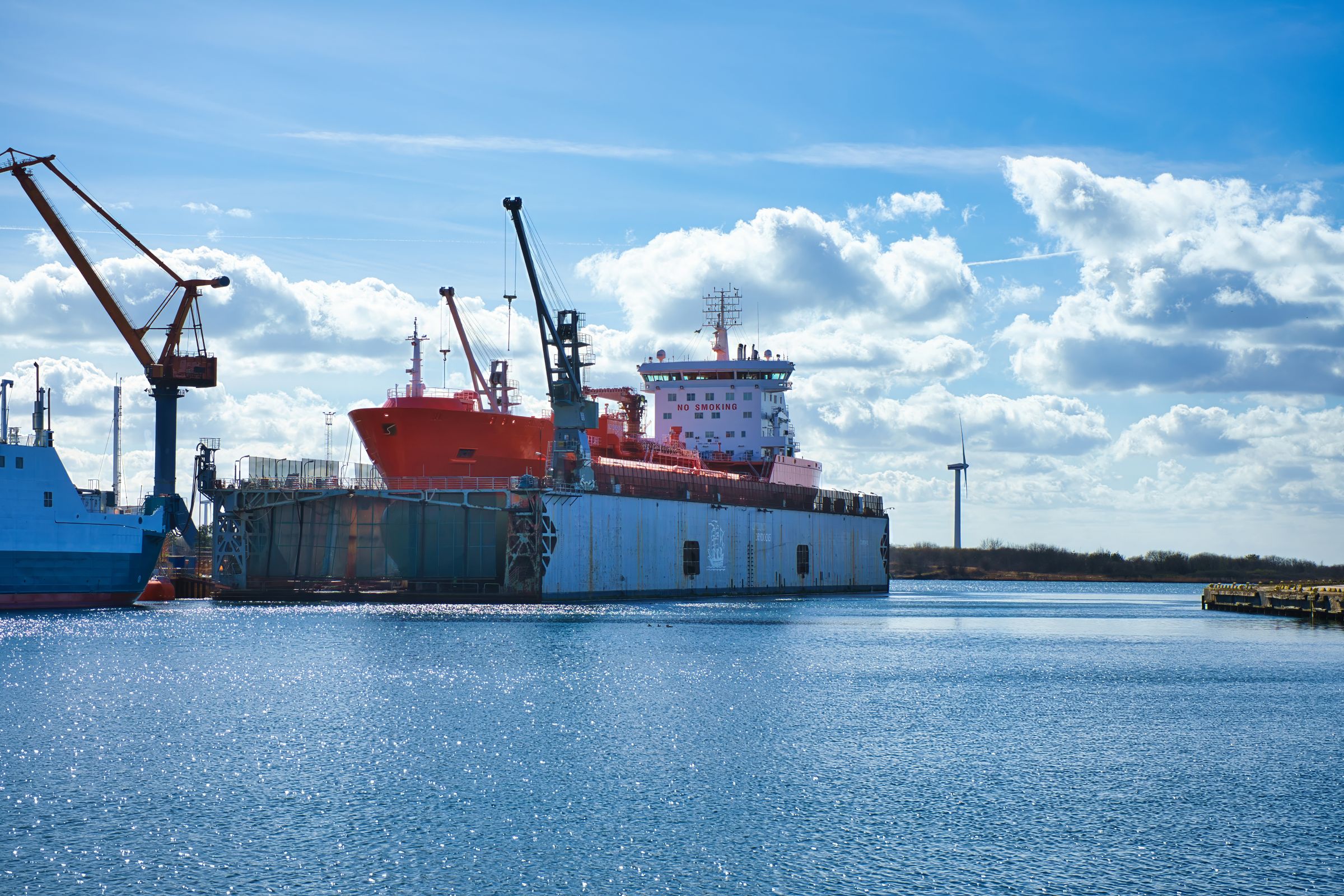
Russian crude oil and petroleum products would face a tighter sanctions screen under a Senate amendment in Washington. The rule would target shipments from specific Russian ports, while limiting any presidential exception to 270 days and keeping the largest export chokepoints outside the waiver.
- Targets Russian oil tied to specific ports, not every shipment
- President could grant a 270-day exception with a report to Congress
- The waiver cannot cover ports behind more than half of Russia’s 2025 oil export capacity
- IEEPA penalties would apply to violations, attempts and evasions
- Buyers, importers and traders tied to Russian crude oil and petroleum products would face a narrower sanctions risk under a Senate amendment in Washington
Buyers, importers and traders tied to Russian crude oil and petroleum products would face a narrower sanctions risk under a Senate amendment in Washington. The language reaches purchases or imports into any country when the cargo comes from specific Russian Federation ports, so the pressure follows the trade route, not just the final destination.
That makes this less like a blanket embargo than a port-by-port squeeze. For companies that touch the shipment, the question becomes whether the cargo passed through a covered port and whether the deal can survive the sanctions rules that would follow.
A narrow escape hatch
The amendment leaves the President a limited off-ramp for up to 270 days after enactment, but only if a report explaining the justification goes to the appropriate congressional committees. The White House could also use authorities in the International Emergency Economic Powers Act, or IEEPA, sections 203 and 205, to carry out the restriction.
That exception would not be available for ports estimated to have accounted for more than half of Russia’s oil export capacity in 2025. The largest chokepoints stay outside the carve-out, which keeps the waiver from swallowing the rule.
Penalties still attach
The enforcement language is built to catch more than the final, signed-off transaction. Under IEEPA section 206, penalties would apply to anyone who violates the prohibition, tries to violate it, conspires to violate it or causes a violation, along with any order or regulation written under the section.
For the market, the message is plain enough. A shipment routed through the wrong port, or a trade structured to get around the rule, could still land in sanctions territory even if the oil ends up somewhere other than the United States.