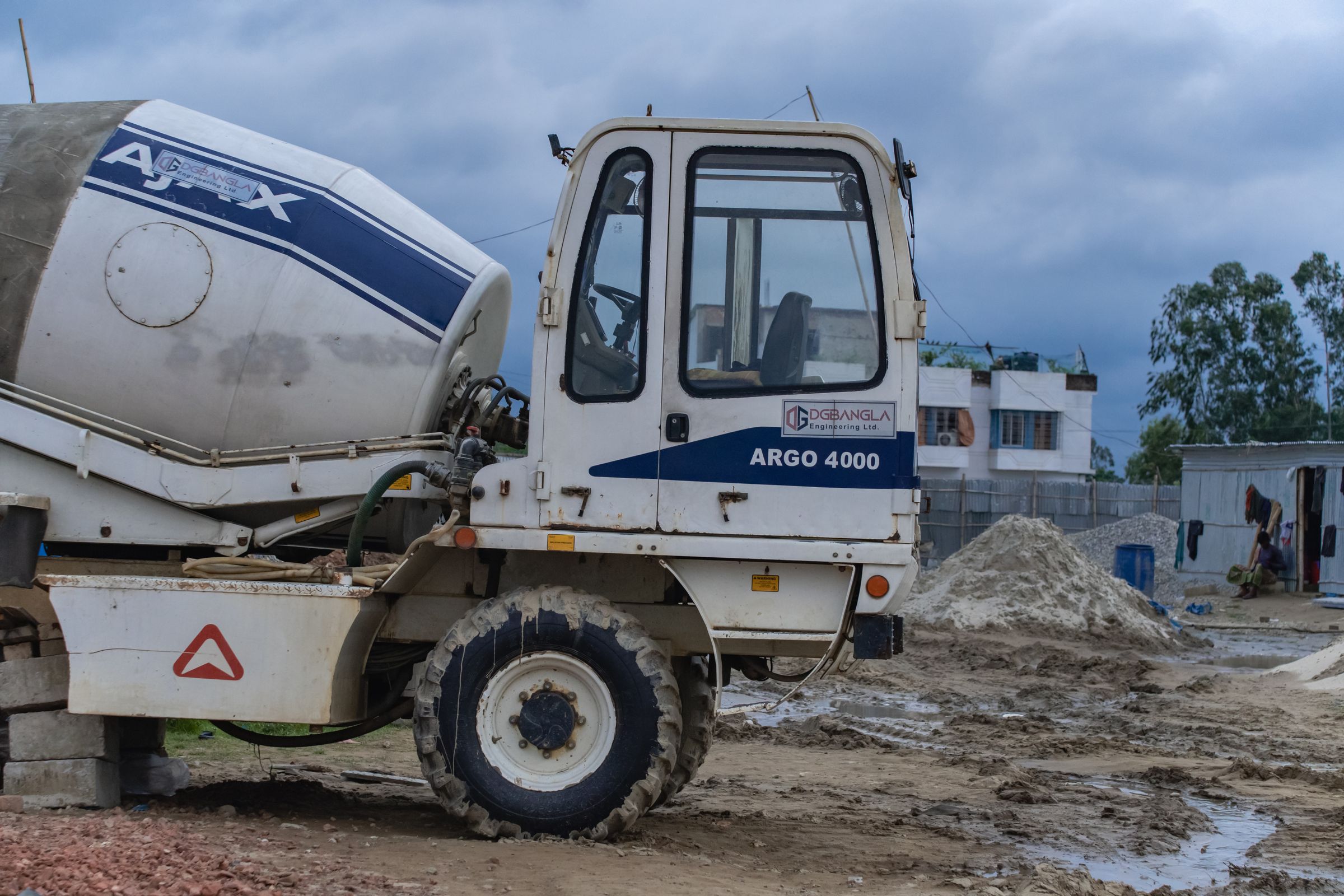
In San Diego County, the Justice Department and California say the planned Taiheiyo-CalPortland purchase of Vulcan’s local ready-mix concrete business would leave contractors and homeowners with fewer places to buy a basic construction material. Ready-mix concrete is the wet concrete delivered by truck to job sites, which makes the number of nearby plants matter fast, especially when a project cannot wait for a long haul or a missed pour.
The proposed settlement is built to keep that market from tightening. It would require the companies to give up key local assets and slow any future attempt to add more concrete capacity in the same area.
The assets that would move
Under the proposed judgment, CalPortland would have to divest its plants in Escondido and Oceanside, along with a leasehold interest in Vulcan’s plant in Lakeside, related real-property interests and 15 ready-mix concrete trucks. Those are not symbolic pieces. They are the machinery of local supply, the places where concrete is mixed, loaded and sent out to jobs.
The government’s logic is simple: if the companies keep those assets after the merger, the local market gets more concentrated. Handing them to another operator is meant to preserve head-to-head rivalry in a business where a few big suppliers can shape price, service and delivery times.
A brake on future expansion
The settlement would also put a notice requirement around any later move into the same market. Unless a transaction already falls under the Hart-Scott-Rodino premerger filing law, CalPortland and Taiheiyo would have to give the United States and California at least 30 days’ notice before buying any financial or management interest in a ready-mix concrete plant or facility in the relevant area during the life of the final judgment.
That matters because local concrete competition is built on proximity. The farther customers have to reach for supply, the easier it is for prices to rise and schedules to slip. The point of the notice rule is to stop the companies from quietly rebuilding the same market power after selling off the assets the government wants out of their hands.
Construction costs and choice
For contractors, homeowners and other local buyers, the real issue is not corporate structure. It is whether there will still be enough nearby plants to keep bids competitive and deliveries moving on time. The Justice Department says the proposed acquisition would substantially lessen competition in the production, distribution and sale of ready-mix concrete in San Diego County, and the remedy is meant to keep more than one serious supplier in play.
Public comment on the proposed judgment is open through Aug. 10, 2026.
Sources
Synthesized from 14 verified citationsSynthesized by AI linked to original documents.