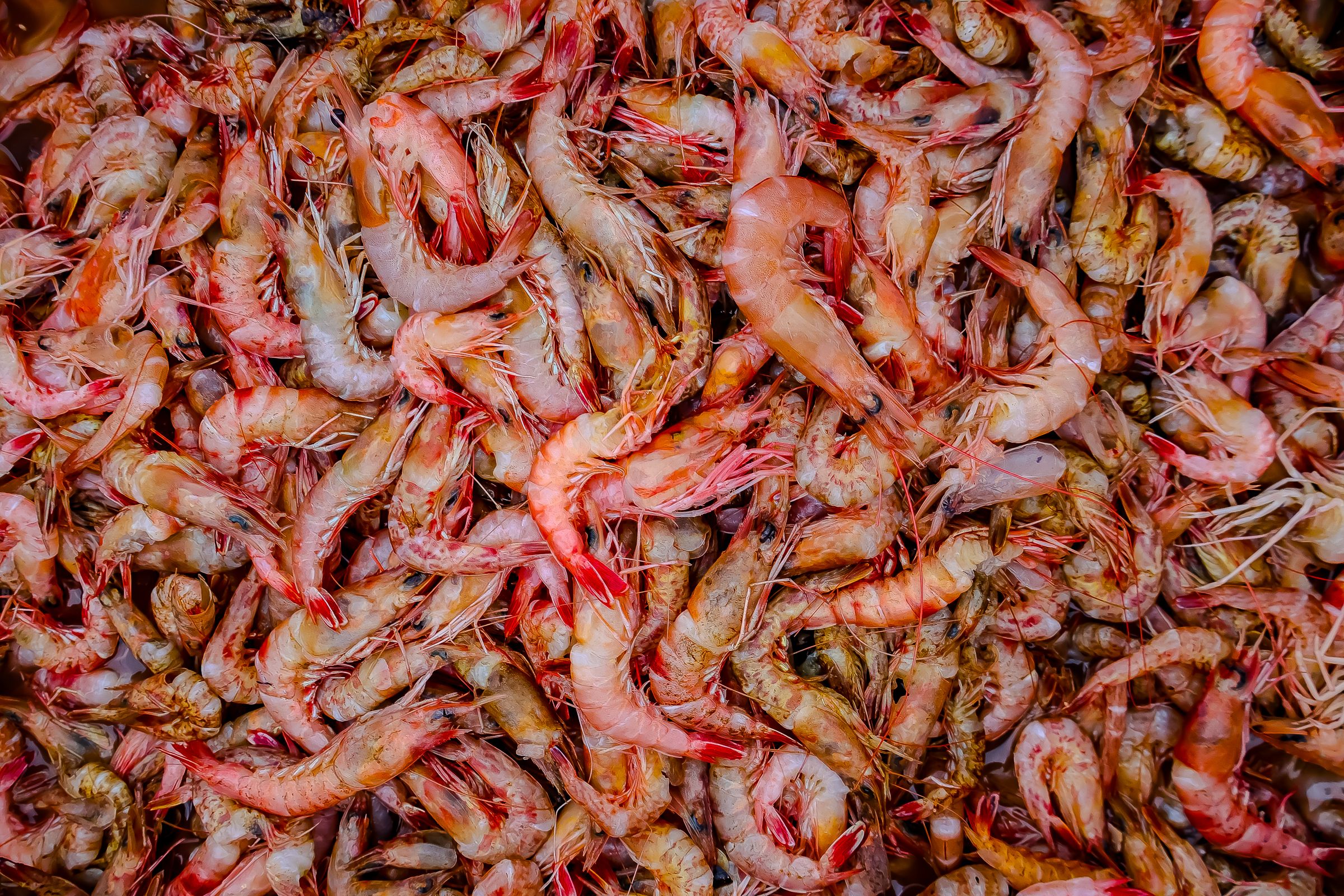
When shrimp shows up at a grocery counter or on a menu, the origin can matter to shoppers who want to know where it came from. It matters just as much to the businesses that move seafood through importers, processors, warehouses and dining rooms. A proposal in the U.S. House would try to give that chain a single federal way to answer the question.
The bill, introduced June 4 by South Carolina Republican Rep. Nancy Mace, would direct the Secretary of Commerce to develop a methodology for identifying the country of origin of shrimp. It has three cosponsors, including Rep. Troy A. Carter. The text stays narrow: it does not set penalties or lay out a full enforcement system.
A paper trail for a common question
Shrimp is one of those foods where origin can shape trust. Once it moves through several hands, the trail can get harder to follow, even for businesses that already keep records. A federal method would try to close that gap and make the answer easier to pin down.
That would matter most for importers, seafood processors, retailers and restaurants, the people and businesses closest to the label the customer sees. For them, the question is not just whether shrimp can be traced, but whether Washington ends up setting the same rule for everyone.
What changes if Commerce sets the standard
For consumers, the practical payoff is simple: less guesswork about where the shrimp on a plate or in a package began. For sellers, it could mean another traceability layer if the Commerce Department’s method becomes the standard way to record origin.
The bill is small in scope, but that is the point. It does not rewrite seafood law from top to bottom. It targets one piece of information that can matter to buyers and one process that can matter a lot to the people who handle the product before it gets there.
Sources
Synthesized from 8 verified citationsSynthesized by AI linked to original documents.