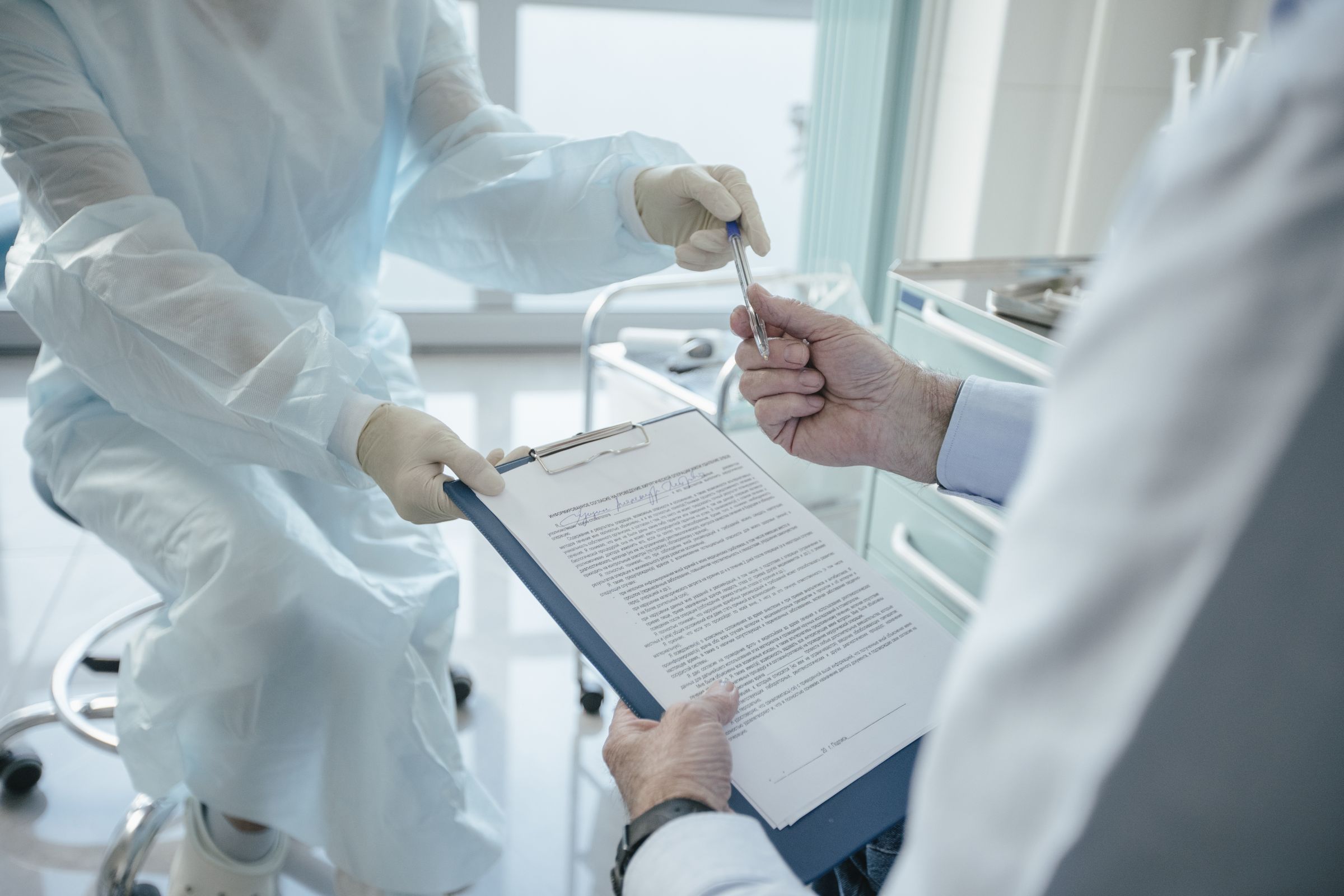
For a resident in a skilled nursing facility, the witness on an advance health care directive is what can make the document count. In California, SB 1189 would narrow that role so the directive would be witnessed only by an ombudsperson, not by a patient advocate or ombudsperson as current law allows.
The bill, introduced by Senator Suzette Valladares and coauthored by Senator Rosilicie Ochoa Bogh, would amend Probate Code Section 4675. It would change who can sign, not who can create the directive in the first place.
Why the witness line matters
An advance directive is the paper that tells doctors and family what medical care a person wants if they cannot speak for themselves. If the witness step is missing or done by the wrong person, those instructions can lose their force right when families need them most.
Under current law, a patient advocate or ombudsperson can serve that witness role for a skilled nursing facility patient. The bill would delete patient advocate from that duty, leaving an ombudsperson as the required witness. The witness could still rely on facility staff, administrators or family members to help identify the patient, just as the existing law allows.
A smaller circle at the signing table
That change would not rewrite the directive itself. It would tighten the gate around the moment when a resident’s treatment wishes are turned into a legally effective form, which is often the difference between a plan that exists on paper and one that carries weight at the bedside.
Available vote records show the bill advanced without recorded no votes.
SB 1189 is a narrow bill, but it reaches into a moment families remember forever: the signing of a document that can guide care when someone can no longer speak for themselves.
Sources
Synthesized from 9 verified citationsSynthesized by AI linked to original documents.