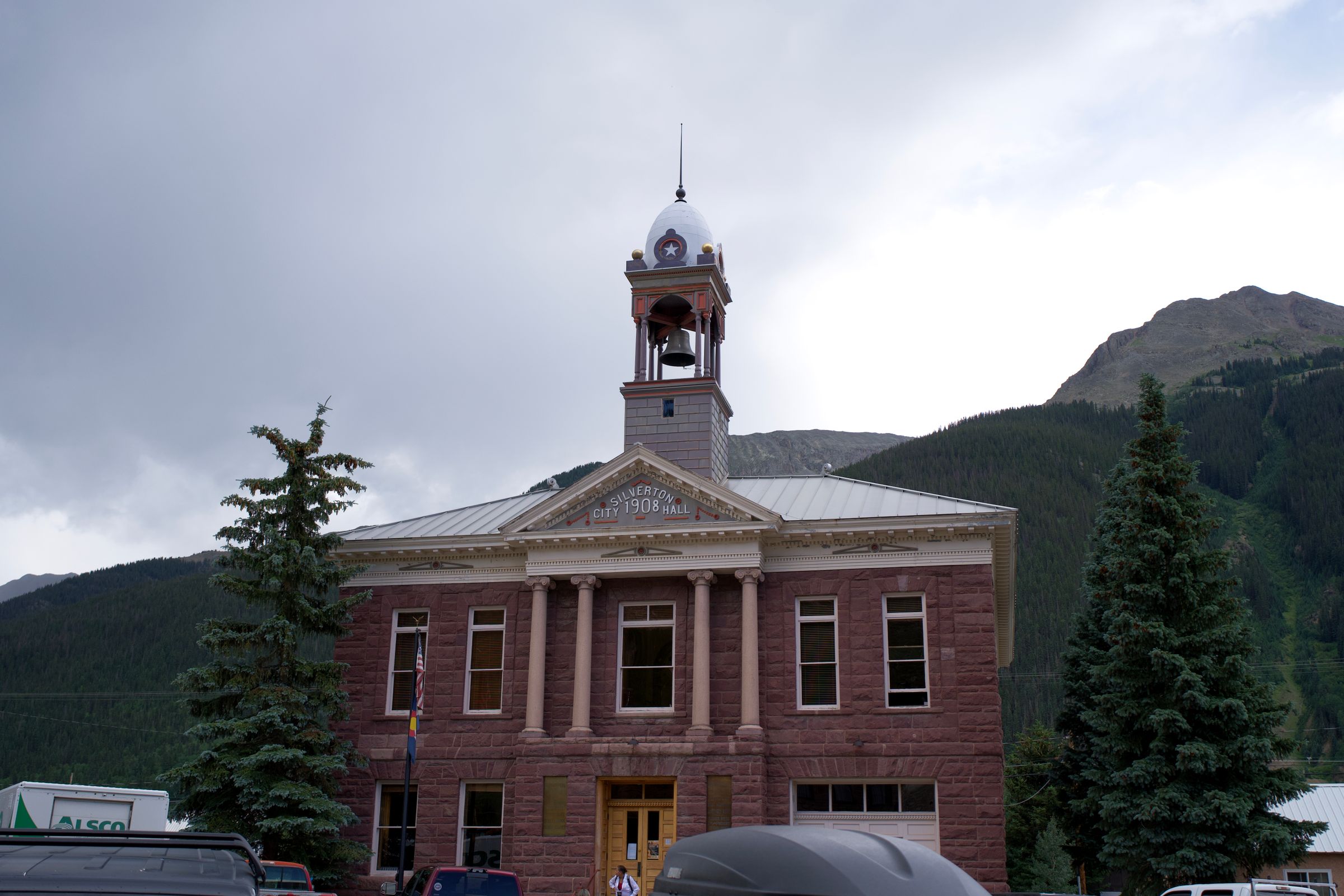
In New Jersey, a small town can end up carrying the same local bills even when a large share of its land no longer pays property taxes. Roads still need plowing, police still need coverage and basic services still have to be funded. Sen. Parker Space, joined by Sen. Latham Tiver, wants the state to help close that gap.
Their bill would require annual State aid payments to eligible municipalities, with the payout set at $500 per acre of covered state-owned and county-owned property. Towns could count the certified amount as revenue when they build their budgets, and the money would come from the Property Tax Relief Fund.
The acreage test
Not every town with public land would qualify. The bill limits the aid to municipalities with 30,000 people or fewer, based on the most recent federal decennial census, and only if state-owned and county-owned real property makes up at least 10% of the town’s acreage.
That design matters because the bill is aimed at places where public land is not just scenery, but a real drain on the local tax base. A town with a few scattered government parcels would not clear the bar. A town with enough tax-exempt land to reshape its finances could.
What counts as covered land
The measure defines county-owned property broadly. It includes county offices, hospitals, institutions, schools, colleges, universities, garages, warehouses, barracks and armories, plus nearby vacant land held for those same uses. State-owned property gets the same kind of treatment on the other side of the ledger.
The bill leaves out county or state land used or reserved for highways, bridges or tunnels, and it excludes property already subject to payments in lieu of taxes, or PILOTs, where local governments are already getting some compensation. The goal is to steer aid to towns that host public facilities without getting enough taxable land in return.
Sources
Synthesized from 11 verified citationsSynthesized by AI linked to original documents.