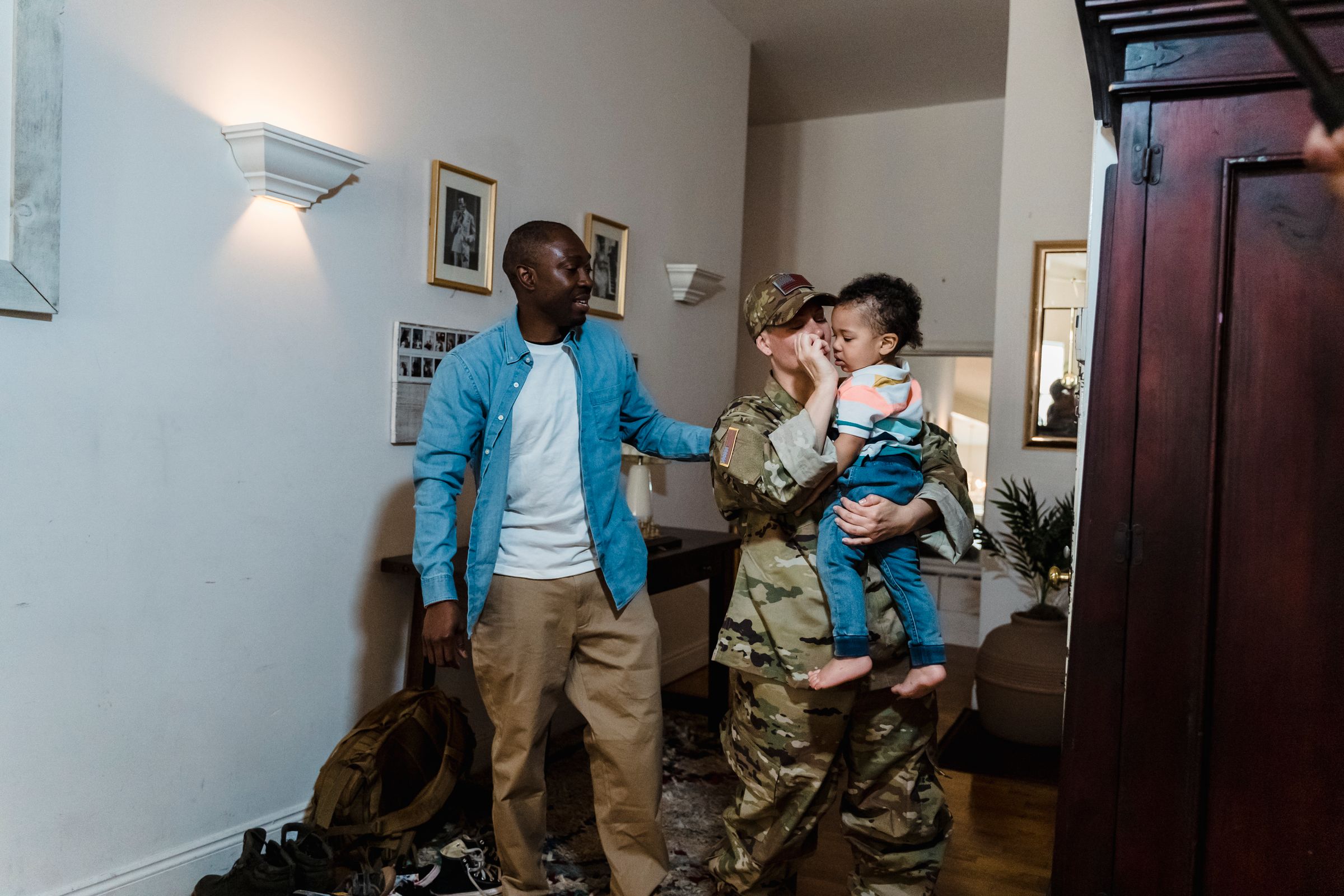
North Carolina would give current and former special operations personnel, along with their spouses and dependents, a new layer of privacy protection by letting them apply to the Attorney General for coverage in the state’s Address Confidentiality Program. If accepted, they could keep home addresses and other identifying details out of many public records, while agencies would use substitute addresses in routine filings. The measure also shields phone numbers, dates of birth and some school-location information from disclosure, but it does not make the real address disappear everywhere: election officials would still rely on it for election-related purposes.
The paper trail changes
The protection would start with an application filed with the Attorney General and certified by a commanding officer or unit adjutant. Once the application is complete, the Attorney General would certify the person as a program participant and issue an authorization card, giving covered families a way to deal with government without repeatedly exposing where they live. In routine records, agencies would generally use the substitute address instead of the home address.
That is the point of the program. It is meant to keep personal details from leaking through the ordinary paperwork that follows people from office to office, school to school, and form to form. For families who worry about being found through public records, the change is less about a new benefit than a quieter way to move through state systems.
Privacy, but not total invisibility
The bill still draws a line where the state says it needs one. Boards of elections would keep using the actual address for election-related purposes, though that information would remain confidential. Tax officials would also continue to receive real addresses for specific work, including motor-vehicle listing, appraisal, assessment and property-tax collection.
That balance matters. The proposal is not a blanket erase button. It is a targeted shield that keeps home addresses and related details from circulating in public view while leaving government enough information to run elections and handle certain tax functions that depend on a physical address. For the families it covers, the practical effect is a little less exposure in the places ordinary life tends to be most visible.
A narrower public record
The broader idea is simple: if a family can be identified through routine filings, it can be tracked more easily than it should be. By folding special operations families into the Address Confidentiality Program, the bill would widen the circle of people who can keep sensitive information off the public shelf without cutting them off from basic government services.
Sources
Synthesized from 11 verified citationsSynthesized by AI linked to original documents.