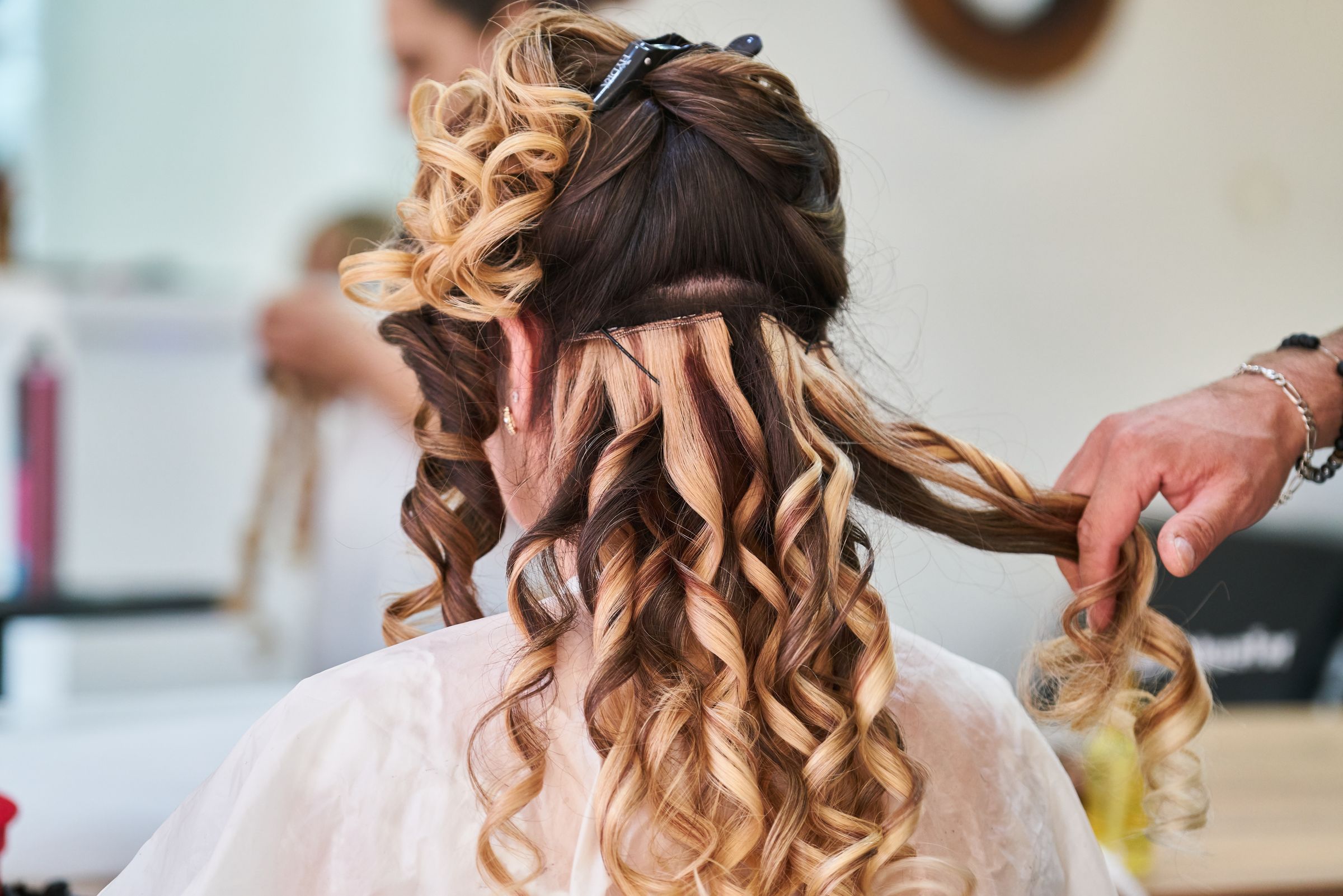
If you buy synthetic braids, extensions or other hair pieces in New Jersey, the bill would put a new gate in front of the shelf. Manufacturers of the final hair product would have to test and certify that it meets the state’s standards for measured toxicity before it can be sold, giving consumers a check on what is actually in the finished item, not just the materials used to make it. Those standards would cover carcinogens, reproductive toxicants and volatile organic compounds, or VOCs.
That matters because synthetic hair is usually sold after it has been processed, treated and packaged for people to wear. The proposal focuses on the product that reaches salons and beauty supply stores, where shoppers are choosing what goes on their bodies and into long-term use.
The shelf test
The bill amends and supplements New Jersey consumer-protection law, and it narrows the hazards it is meant to police with some precision. It defines carcinogens through established federal and international classifications and treats reproductive toxicants as chemicals identified by the federal National Toxicology Program’s reproductive and developmental risk center.
It also draws the line around measured toxicity. The question is not whether a substance appeared somewhere in production. It is whether an intentionally added chemical in the finished hair product crosses the threshold the state sets. The consumer affairs director could even set a lower threshold if data show that is needed to protect human health.
A certification that follows the product
The proposal would create a paper trail around the product itself. Manufacturers would have to provide written certification that the final hair product was tested, keep that certification valid for five years and make it available to buyers. In some cases, they would also need an up-to-date website with test information and a plain-language summary of the results.
Enforcement would run through the Division of Consumer Affairs. The state could warn a company, order it to fix the problem, impose civil penalties or notify the public about products that do not comply. The bill does not create a private lawsuit on its own, but it would plug synthetic hair into the state’s broader consumer-protection machinery.
Sources
Synthesized from 11 verified citationsSynthesized by AI linked to original documents.