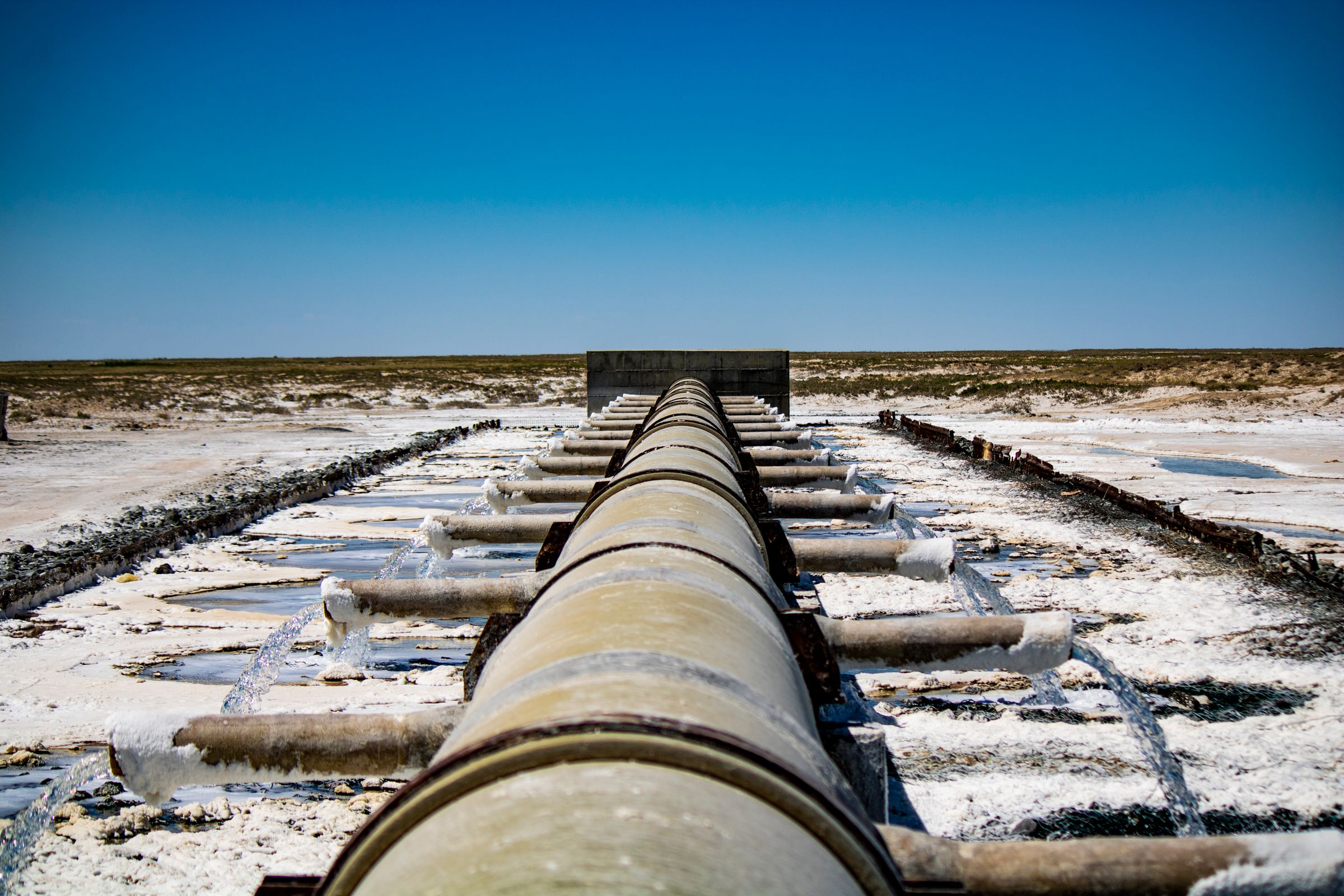
For people on the Southern Cumberland Plateau, water service is not an abstraction. It is the pressure in the tap, the reliability of the sewer line and the question of whether a community has the infrastructure to grow without tripping over its own pipes. A proposal in Tennessee would create the Southern Cumberland Plateau Regional Water and Wastewater Authority, a new public corporation meant to pull those jobs into one regional body.
The bill says the authority would exist subject to local approval. If it takes shape, it would not just advise on water problems. It would be able to plan, acquire, construct, improve, extend, furnish, equip, finance, own, operate and maintain water and wastewater systems, including treatment, storage, distribution and collection facilities. In plain English, that means the authority could be involved from the first drawings to the day-to-day business of keeping water moving and waste flowing away.
Built to last
The measure gives the authority a broad mandate. It is described as a separate legal entity and a public corporation in perpetuity, with powers granted for public and governmental purposes and matters of public necessity. That language matters because it shows this is meant to be more than a temporary planning group or a narrow task force. It would be built to last, with a legal identity of its own.
The proposal also says the authority’s purpose includes planning, developing the region’s water resources and providing necessary wastewater collection and treatment. It is also meant to provide environmental services and secure economic benefits for the area it covers. That ties basic infrastructure to the region’s longer-term health and growth, not just to emergency repairs when something fails.
A regional table
The bill ties the new body to Grundy County, the towns of Monteagle and Tracy City, and the Big Creek and Sewanee utility districts. Each would be represented through its mayor or an appointed commissioner. That structure suggests the point is coordination, not replacement. Local governments would still matter, but they would be working through one shared table instead of separate lanes.
That can matter when water and sewer systems cross lines that do not mean much to a resident waiting for service. A sewer expansion, a treatment upgrade or a new water line can stall when one town, one county and one utility district are all working apart. A regional authority is meant to cut through that fragmentation. Available vote records show the bill advanced without recorded no votes.
The authority’s reach
The proposal does not stop at planning. It would also give the authority room to sell, donate, convey or otherwise dispose of water and wastewater, and to handle projects or work connected to those services. That makes it more than a shell. It could own systems, operate them itself or work with local governments and utility districts to manage them.
For residents, the practical question is simple: who is responsible when the system needs to be expanded, repaired or coordinated across a wider area? This bill answers by trying to put that responsibility in one regional entity, while still leaving the final step in local hands.
Sources
Synthesized from 14 verified citationsSynthesized by AI linked to original documents.