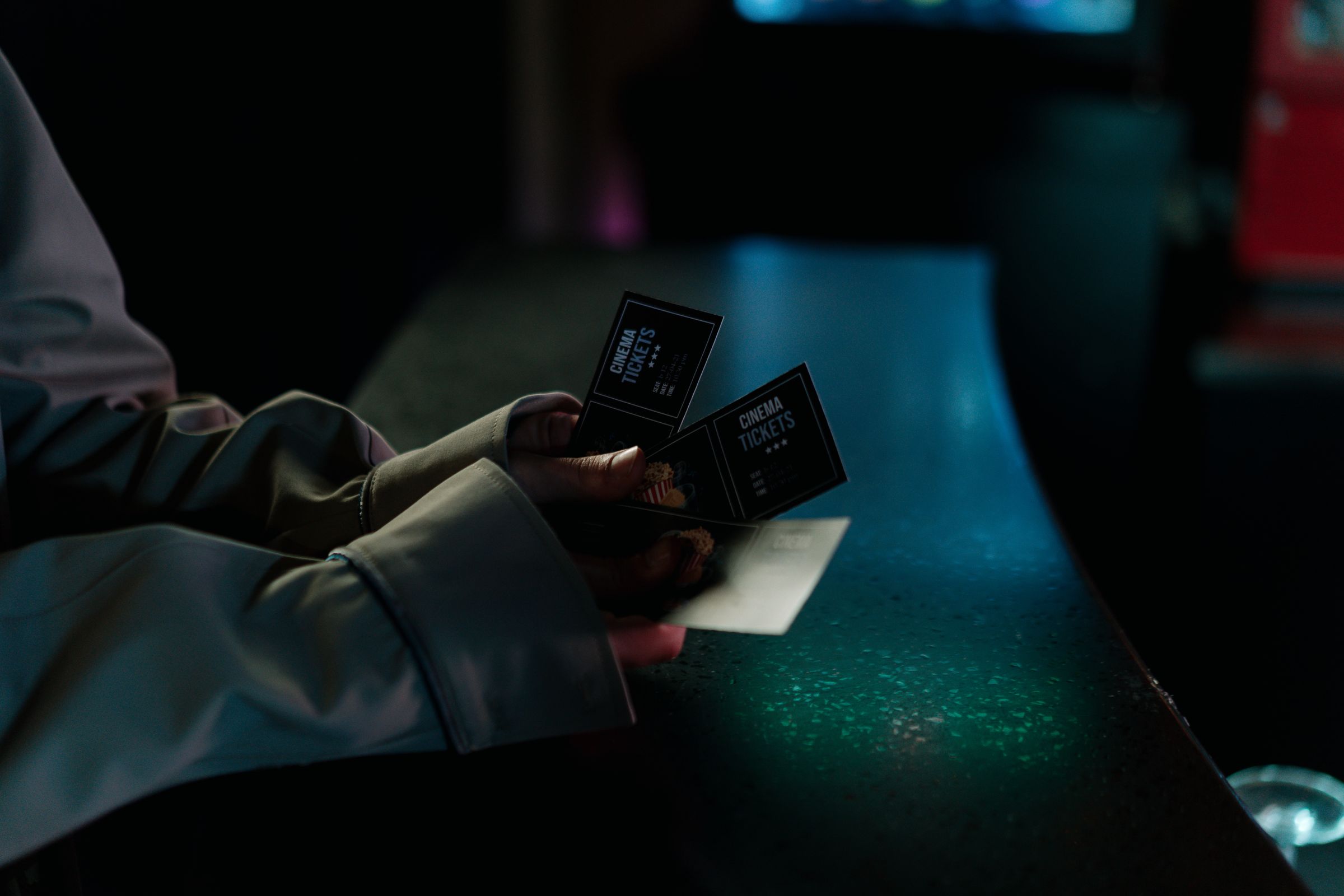
Ohio concertgoers, sports fans and museum visitors could see the true cost of a ticket more plainly before they click buy. A proposal in Ohio would define the businesses involved more clearly, from the entertainment venue itself to the website selling the ticket, and it would treat concerts, sports, amusement parks, museums, theaters and other shows as covered entertainment.
That matters because the bill is built around the market itself. An online ticket marketplace would be any website or other electronic service that sells tickets or helps sell them, while an operator would include someone who owns or controls a place of entertainment or sells tickets for original sale. The idea is to pin down who is responsible before the sale gets messy.
Who the rules reach
The bill’s definitions are broad on purpose. “Entertainment” would cover theatrical and operatic performances, dance, ballet, concerts, motion pictures, amusement parks, athletic competitions and other sports, along with other forms of diversion, recreation or show.
A “place of entertainment” would also sweep in a wide range of venues, including amphitheaters, theaters, stadiums, arenas, racetracks, museums, amusement parks, clubs and similar places. That means the same basic rules could apply whether someone is buying a seat for a concert, a ballgame or a night at a museum.
The price buyers would see
The first price shown to a shopper would have to include mandatory fees, aside from taxes and shipping for a physical ticket. Before the purchase is final, the seller would have to show an itemized breakdown of the total price.
The proposal also says subtotals, fees and other charges cannot be presented in a way that is false or misleading, or with more visual weight than the total cost. The displayed price could not be increased for that buyer after it is first shown, though optional add-ons and normal delivery charges could still be added if they are disclosed properly. For buyers, that could mean fewer surprises at checkout and a better sense of what a ticket actually costs from the start.
Sources
Synthesized from 9 verified citationsSynthesized by AI linked to original documents.