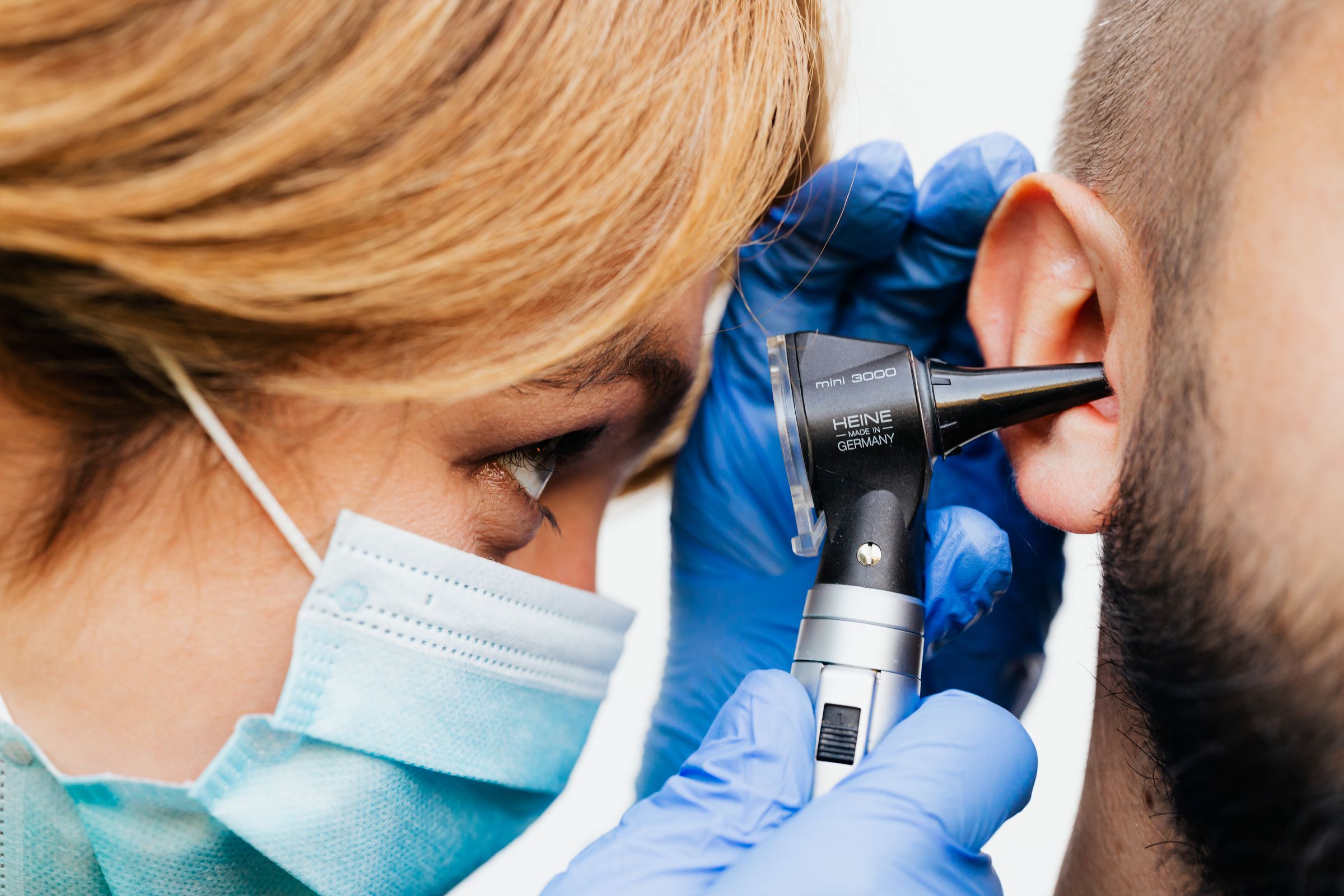
People looking for tinnitus relief could see a new device reach them with less regulatory friction. On June 10, the Food and Drug Administration classified a combined acoustic and electrical external stimulation device for tinnitus as a class II medical device, the middle tier that still carries oversight but is easier to clear than the strictest FDA category.
The federal order took effect the same day. FDA also said the classification was applicable on March 6, 2023, and that the change should still provide a reasonable assurance of safety and effectiveness.
What class II buys makers
Class II does not mean the device escapes review. FDA said the tinnitus device will be covered by special controls, which will be part of the codified language for this device type and are meant to address the specific risks FDA sees here.
The agency said that added structure is enough to keep the device in a lower-risk lane while reducing regulatory burdens. For manufacturers, that is the difference between a product that has to clear the toughest path and one that has a clearer, more defined route to market.
The checks that stay in place
FDA’s order points to the kinds of issues it still wants covered, including electrical and acoustic testing, software checks, biocompatibility, human factors testing and labeling. The device combines sound delivered in the ear with external electrical stimulation of sensory nerves, so the agency is not treating it as a simple consumer gadget.
The order also says the device is meant to be prescribed by a healthcare professional with expertise in tinnitus care. That keeps the treatment inside a clinical setting, even as the lower classification gives makers more room than the highest-risk path would have allowed.
Why patients may notice
For people living with tinnitus, the practical promise is access. FDA said the classification should help patients get beneficial innovative devices sooner by trimming some of the burden on manufacturers.
That does not mean the device will work for everyone, or that it is free of safeguards. It does mean the agency has chosen a regulatory lane built to balance access with oversight, instead of forcing the device through the heaviest federal gate.
Sources
Synthesized from 15 verified citationsSynthesized by AI linked to original documents.