Make Housing
Tribal trust-land leases could stretch to 99 years
A Senate bill from Senator Thom Tillis would give lenders and builders more time on projects on land held in trust for federally recognized Indian Tribes. The longer lease window could make housing, businesses and infrastructure easier to finance.
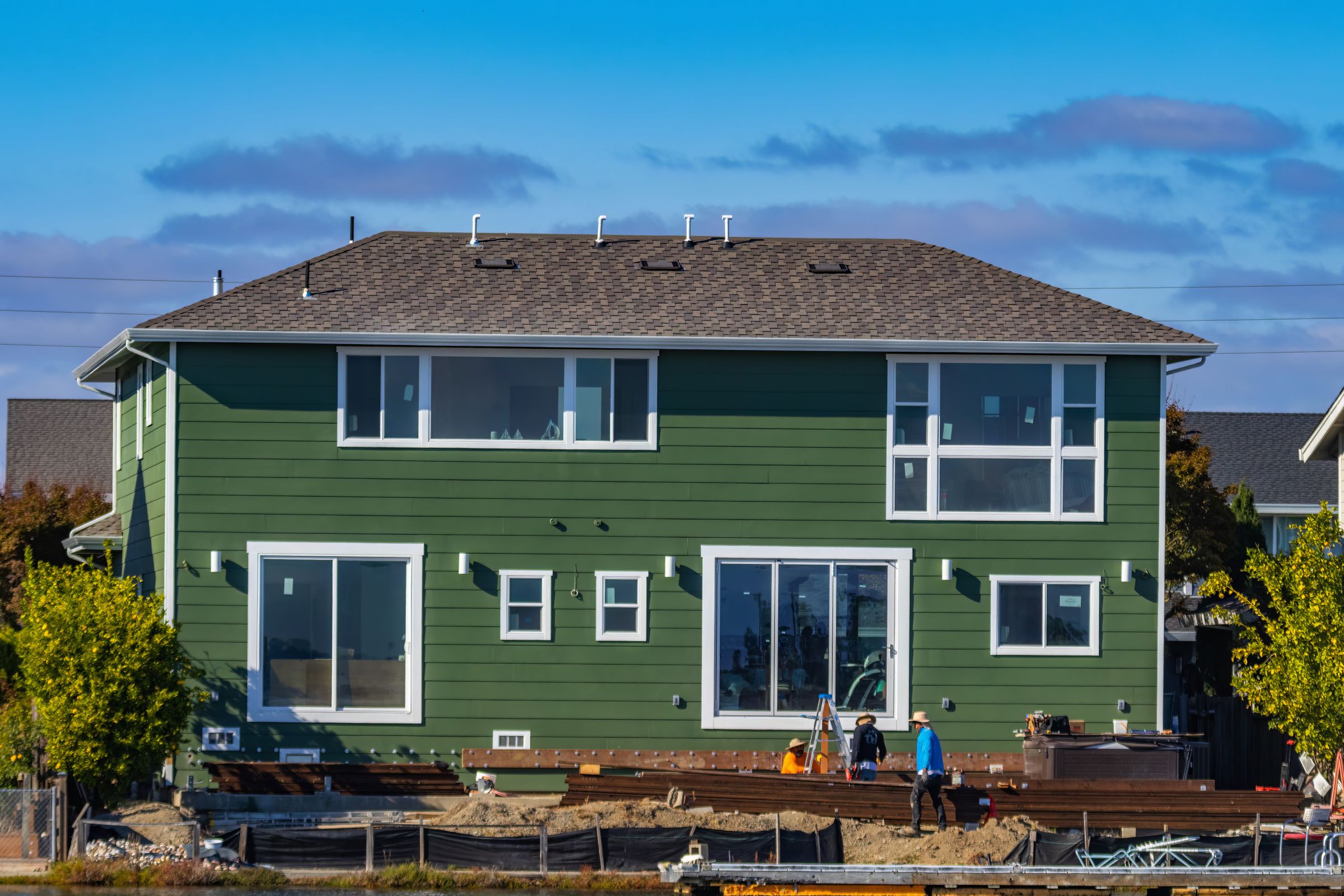
The bill would authorize leases of up to 99 years on tribal trust land. Supporters say that kind of timeline can help projects clear financing, especially when construction costs need decades to pay back.
- Leases on tribal trust land could run up to 99 years.
- The change is designed to make financing easier.
- Housing, businesses and infrastructure are the likely winners.
- The bill focuses on trust land, not tribal land generally.
- In the federal Senate, a bill from North Carolina Republican Sen
In the federal Senate, a bill from North Carolina Republican Sen. Thom Tillis would let leases on land held in trust for federally recognized Indian Tribes run for up to 99 years. That longer horizon matters because housing, businesses and infrastructure often need financing that lasts far longer than a short lease.
The change is about time, not ownership. Trust land is land the federal government holds for a tribe’s benefit, and the bill is aimed specifically at that kind of land, not tribal land in the abstract. A longer lease can give lenders and builders more confidence that a project will have time to pay for itself.
The financing clock
For many projects, the lease term is part of the loan decision. Banks want predictable occupancy over the life of a loan, and developers want enough years left on the lease to justify the cost of building homes, storefronts or roads.
A 99-year option looks much closer to the timelines used in conventional real-estate finance. On trust land, that can be the difference between a project that looks workable on paper and one that never clears underwriting.
What the longer term could cover
The bill does not spell out which projects would benefit first, but the practical uses are straightforward. Housing, commercial development and infrastructure are the obvious candidates when a lease needs to last long enough to support construction and repayment.
The point is narrow, but the effect could be broad: fewer projects stranded by a lease that expires too soon, and more room for tribal governments and outside backers to plan for the long haul.
- Housing projects that need stable financing
- Businesses that need decades, not years, to pay back construction costs
- Infrastructure that can take a long time to recover its investment