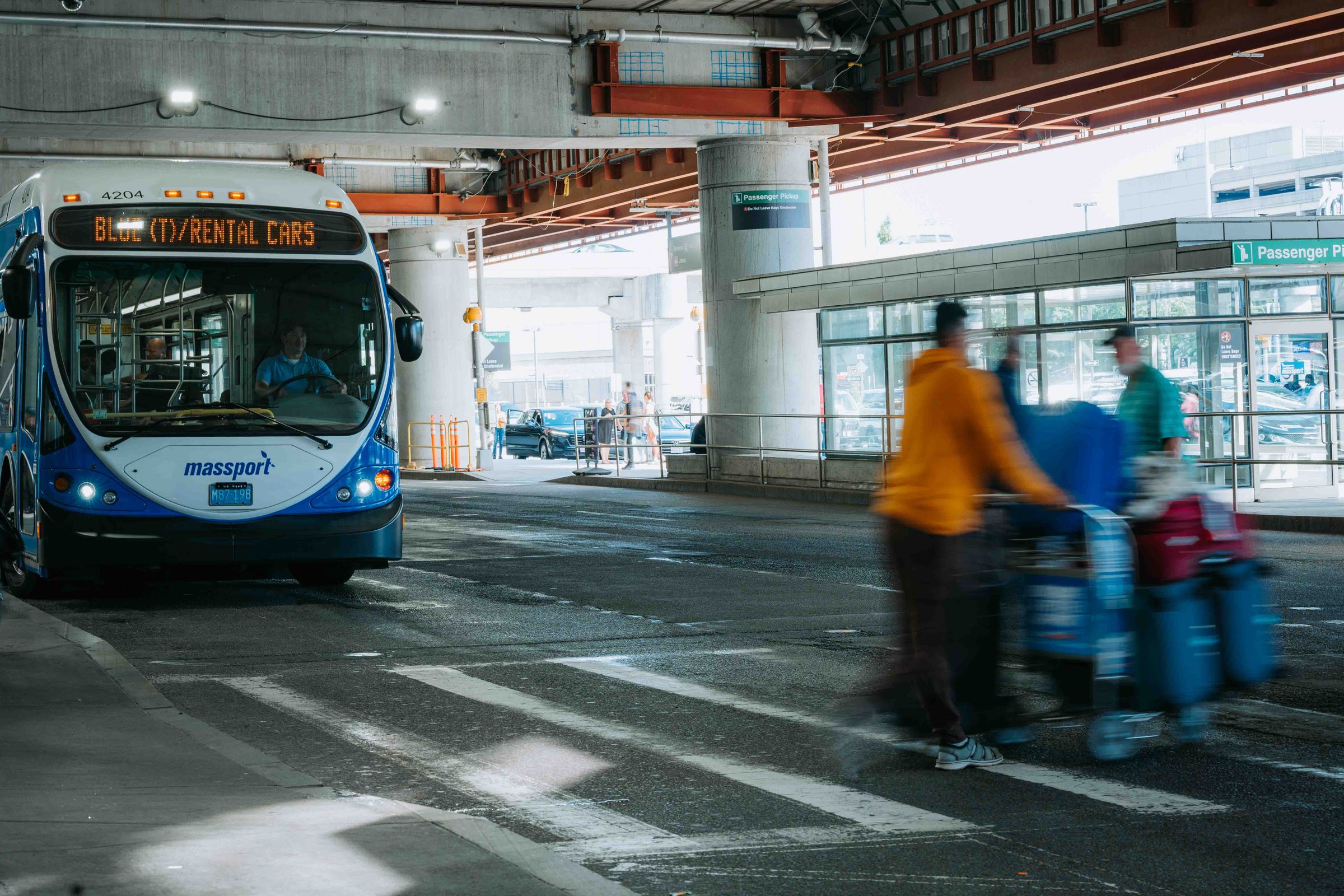
The Transportation Security Administration, part of the Department of Homeland Security, is giving some over-the-road bus, or OTRB, operators a temporary pass as the FIFA World Cup approaches. Covered companies can keep running fixed-route service, meaning buses on a set route and schedule, to, through or from tournament-related locations without first meeting the usual security-program deadline.
That matters because the normal rule can force bus companies to wait 90 calendar days before starting new or modified service. For operators trying to add trips around a major event, that is the kind of delay that can leave riders with fewer choices and terminals with more congestion.
How narrow the exemption is
The relief is not broad. It applies only to certain operators that began this fixed-route service after March 1, 2026, and it runs from June 10 through July 31, 2026. Older routes already in place before that date are outside the exemption.
In practical terms, TSA is setting aside several of the paperwork and training requirements that would otherwise apply during that window, including the advance filing of a security training program, the covered approval timeline, the requirement to name a security coordinator, and specific training rules in 49 CFR 1584.113 and 1584.115.
- No 90-day advance submission for the covered security training program
- No covered TSA approval and training timeline during the exemption period
- No security coordinator designation under the covered rule sections
- No specific training requirements under 49 CFR 1584.113 and 1584.115
Sources
Synthesized from 4 verified citationsSynthesized by AI linked to original documents.