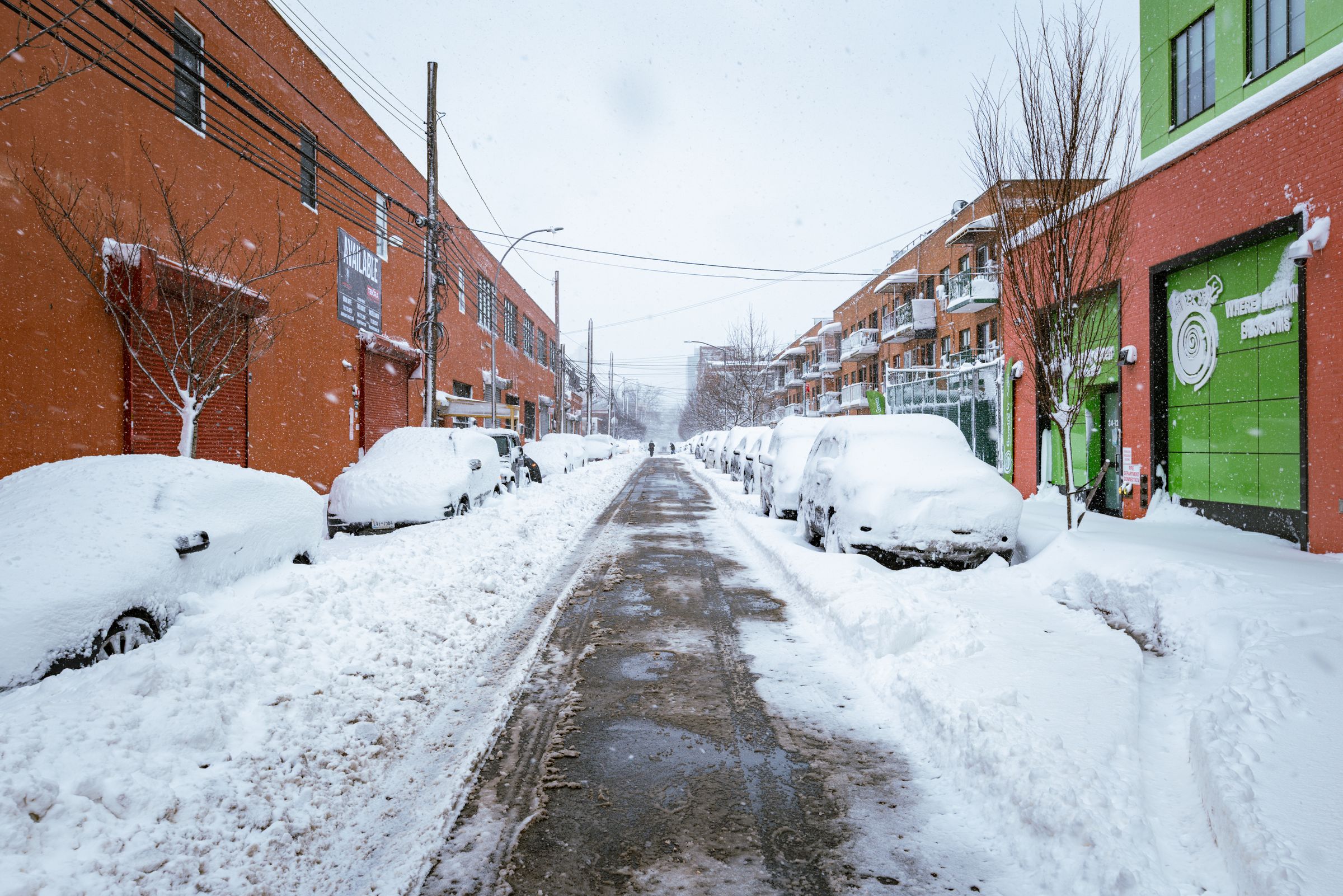
In New York City, parking can feel less like a convenience than a daily contest. A proposal would let the city create a residential parking permit system in Queens Community Boards 3 and 4, giving nearby residents a stronger claim on curb space while stopping short of making those blocks fully resident-only.
The plan would have to leave at least 20% of spaces in the permit area available to nonresidents, which means the curb would still serve more than one kind of driver. The city could not simply draw a hard line and close the area to everyone else.
The carveouts that stay
The bill also protects a few kinds of parking from the permit requirement altogether. No permit would be needed on streets where the adjacent properties are zoned for commercial or retail use, and no permit would be needed in metered parking spaces.
Visitors would still have a window to park, too. The local law or ordinance would have to provide for short-term parking of at least 90 minutes in the area. It could also exempt vehicles registered under section 404-a if the city chooses to include that exception when it writes the rules.
Where the money lands
This is not just a parking rule. It is also a funding decision. After administrative expenses, permit fees would be remitted quarterly to the applicable mass transit agency and deposited in the New York City transportation account.
That link matters because the same curb space that is being parceled out more tightly would also help pay for the transit system that many of those drivers use. The bill gives New York City the authority to write the local law or ordinance first; only then could the permit system take shape.
Sources
Synthesized from 11 verified citationsSynthesized by AI linked to original documents.