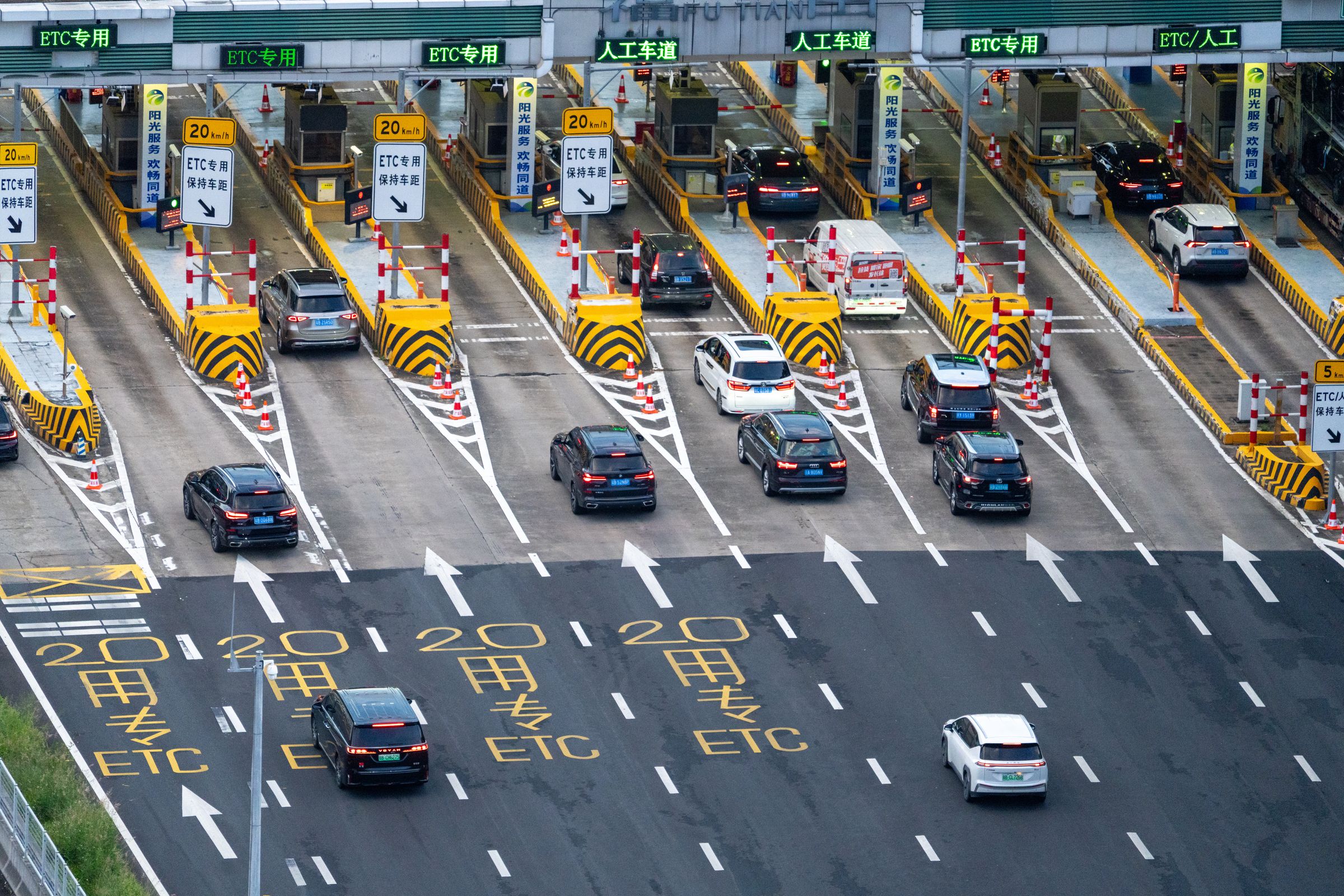
In New York, a plate cover would no longer be just a way to dodge a camera or blur a toll. The bill keeps the basic toll-liability standard in place, with liability still based on a preponderance of the evidence, and in ordinary cases it would still not be treated as a conviction or go on a driver’s operating record.
That protection would disappear for people with unpaid liabilities tied to three or more convictions for covering or obscuring a plate within five years, so long as those convictions did not arise from the same incident. For those repeat cases, the liability would be treated as a conviction as an operator, added to the motor vehicle operating record and available for insurance purposes.
A narrower line for repeat offenders
The proposal does not rewrite every toll case. It leaves the civil framework intact for most drivers, including the rule that liability is based on a preponderance of the evidence. The change starts only after a pattern of plate-obscuring convictions builds up over time, when those repeat liabilities would be folded into the operating record.
It also tightens the state’s response when a vehicle is caught with a cover, coating or other material that hides the plate or distorts a recorded image. The bill would update registration-suspension rules tied to that conduct under Vehicle and Traffic Law section 402.
What follows the plate
That matters because the harm does not stop at the toll booth. A conviction-style record can follow a driver into insurance pricing and DMV paperwork, turning what is often treated as a fee dispute into something more lasting. The practical target is repeat concealment, not a first brush with a toll camera.
For drivers who keep testing the boundary, the message is that the hidden plate can leave a longer paper trail than the toll bill itself. The bill turns a familiar enforcement loophole into something that can affect both registration status and insurance decisions.
Sources
Synthesized from 6 verified citationsSynthesized by AI linked to original documents.